By
Fakanye Gbemisola
4
mins read
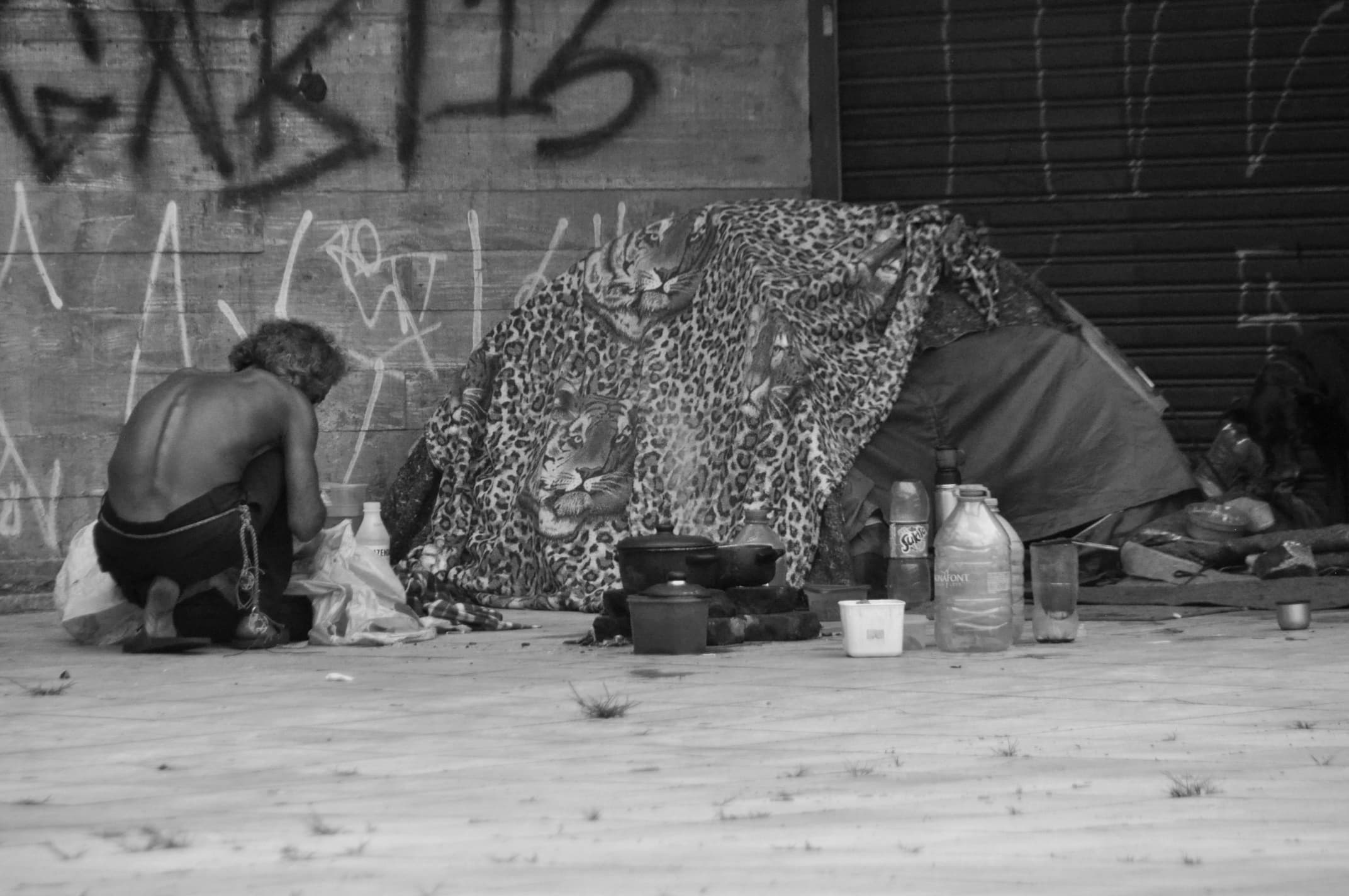
Beyond Sympathy: Why Homelessness Is Not Just a Personal Failure.
Every day, we pass people living on the streets and tell ourselves quiet stories so we can keep moving. Sometimes the story is about poor choices. Sometimes it is about laziness. Sometimes it is about bad luck. These stories are not always cruel; often, they are protective. They allow us to create distance between “their lives” and “ours.”
Homelessness, however, is rarely the result of a single mistake or one bad decision. It is more often the outcome of cumulative losses: unstable employment, family breakdown, untreated physical or mental health conditions, displacement, gender-based violence, or prolonged poverty. These factors do not operate in isolation. They build on one another until coping becomes survival, and survival becomes visibility on the streets.
From a social work perspective, homelessness reflects systemic failure long before it becomes an individual crisis. People do not fall out of society suddenly; they are slowly pushed to its edges. When housing is unaffordable, healthcare inaccessible, jobs insecure, and community support weak, vulnerability deepens quietly. By the time homelessness becomes visible, intervention is already late.
In simple terms, many people on the streets are not there because they “refused help.” They are there because help was inconsistent, conditional, or unavailable when it mattered most.
This understanding matters beyond professional circles. How society explains homelessness shapes how society responds to it. When homelessness is framed as personal failure, the response becomes judgment, avoidance, or temporary charity. When it is understood as a social issue, the response expands to responsibility, inclusion, and long-term solutions.
Non-professionals often underestimate their role. Yet everyday attitudes shape public spaces. How people speak about homelessness at home, in religious spaces, online, and in communities influences stigma or compassion. Simple actions; treating people with dignity, refusing dehumanizing language, supporting community initiatives, holding leaders accountable for housing and social welfare, contribute to an environment where reintegration becomes possible.
Homelessness is not only a crisis for those experiencing it. It is a mirror held up to society. The real question is not why people end up on the streets, but what kind of community allows people to remain there unnoticed.
Share:
Related Articles:

2
mins read
Reintegration Is a Process, Not a Rescue Mission
Reintegration is about empowerment, dignity, and creating environments where people can thrive without fear or exclusion.

3
mins read
Women on the Streets: Vulnerability Without Visibility
Vulnerable women face a heightened risk of sexual exploitation, physical abuse, and trafficking.

2
mins read
Charity Alone Cannot End Homelessness
Charity alone may feed a person today; comprehensive social work restores a life for tomorrow.