By
Fakanye Gbemisola
3
mins read
Women on the Streets: Vulnerability Without Visibility
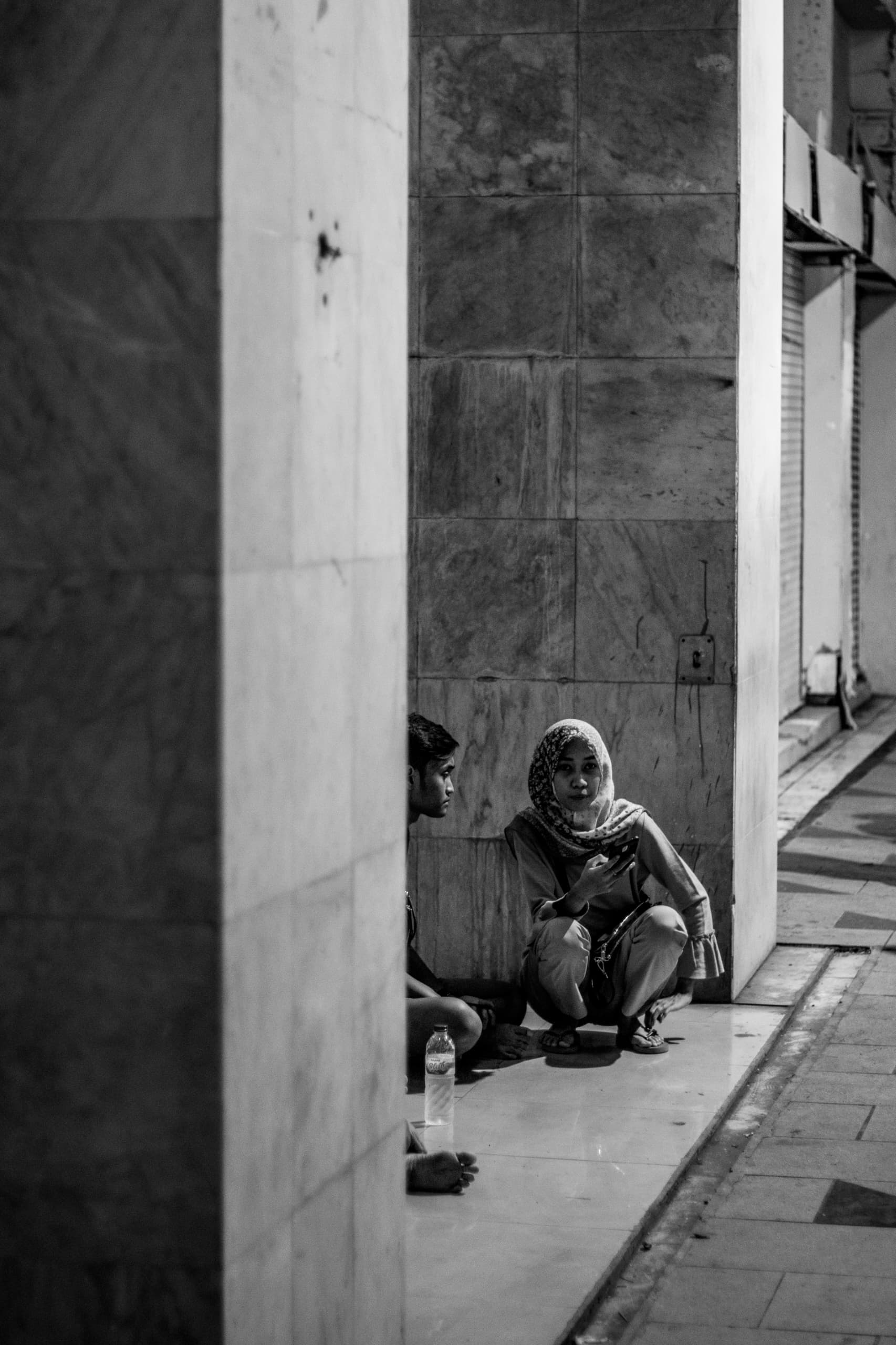
When people imagine homelessness, they often picture men sleeping in open spaces. This image, repeated often enough, creates a dangerous illusion: that homelessness is always visible, and that those who are unseen are somehow safe.
For many women, homelessness does not announce itself publicly. It hides in temporary arrangements, unsafe relationships, overcrowded spaces, and constant movement. Women often make deliberate choices to stay out of sight, not because they are stable, but because visibility can increase risk.
Street-connected women experience layered vulnerability. Gender-based violence, exploitation, reproductive health challenges, stigma, and social isolation intersect in ways that make survival more complex. Many women learn quickly that asking for help publicly can expose them to further harm. As a result, their homelessness becomes quieter, harder to detect, and easier to ignore.
From a social work perspective, this is often described as hidden homelessness. The absence of visible street presence does not indicate security. It often signals that risk is being privately managed, without protection or support.
In simple terms, many women are homeless long before society recognizes them as such.
This reality challenges how communities define vulnerability. When attention is drawn only to what is seen, support arrives late. Systems built around visibility fail those whose survival depends on staying unseen.
Communities play a subtle but powerful role here. The way neighbors respond to women in distress, how institutions handle reports of abuse, how informal support networks operate — these factors often determine whether women reach support early or remain trapped in cycles of risk. Silence, disbelief, or moral judgment can be as harmful as neglect.
If homelessness is addressed only when it becomes obvious, intervention becomes reactive rather than protective. Women do not need to become visible in danger before support is extended. They need safety before survival strategies harden into permanence.
Share:
Related Articles:

2
mins read
Reintegration Is a Process, Not a Rescue Mission
Reintegration is about empowerment, dignity, and creating environments where people can thrive without fear or exclusion.

2
mins read
Charity Alone Cannot End Homelessness
Charity alone may feed a person today; comprehensive social work restores a life for tomorrow.
4
mins read
Beyond Sympathy: Why Homelessness Is Not Just a Personal Failure.
Street homelessness is often misunderstood as a personal failure rather than a social one.